

History of Iranian Students Studying Abroad

The history of Iranian students studying abroad can be traced back to the Safavid era.
The history of Iranian students studying abroad can be traced back to the Safavid era (1501-1736), when close ties between Iran and Europe prompted Shah Abbas II to send several individuals, including Mohammad Zaman Khan, to Italy to study art.
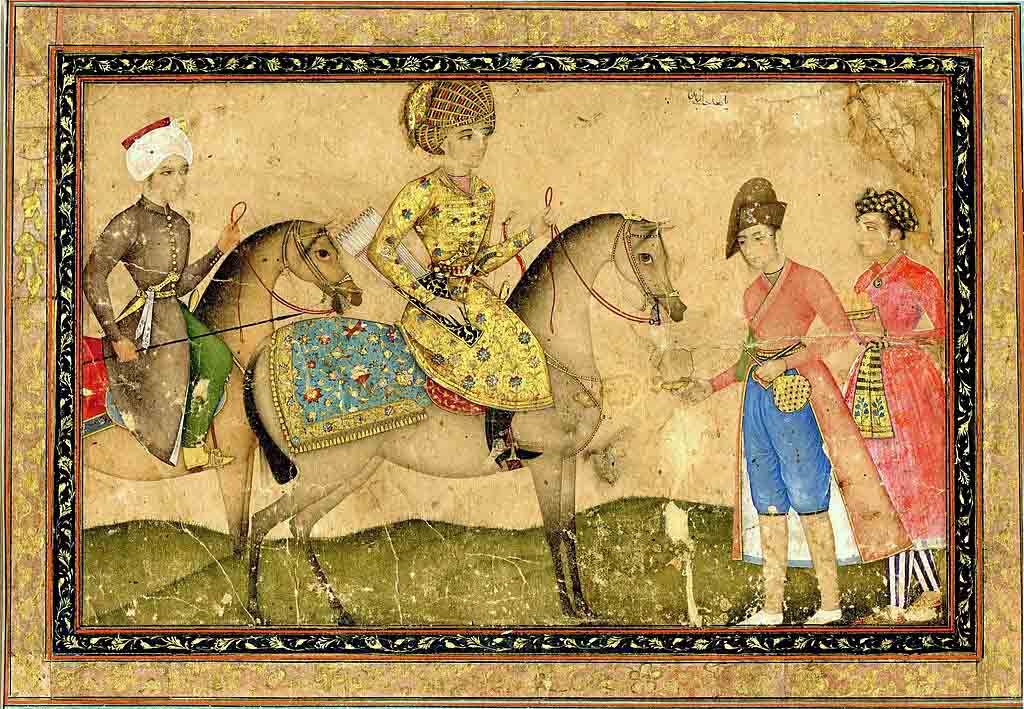
The dispatch of students abroad was temporarily halted until, following Iran’s defeats by Russia, policymakers realized Iran’s backwardness compared to other European countries in scientific and industrial fields.
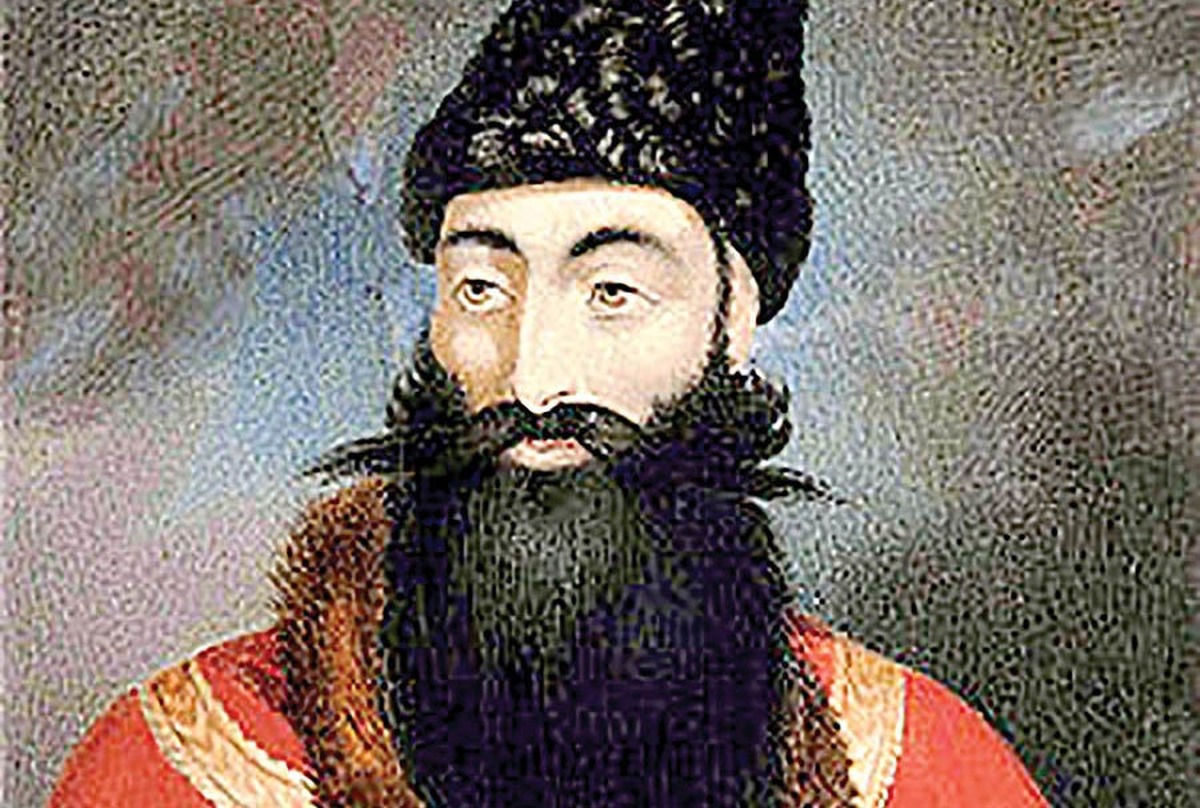
After a few years, Abbas Mirza and Qaim Maqam Farahani realized that without knowledge of modern military techniques and sciences, it would be impossible to resist foreign invasions. Therefore, during this period, groups were sent abroad to learn science and technology. Abbas Mirza sent two people abroad in 1230 SH (1851) to study art and medicine, and four years later sent another five to England.
After Abbas Mirza, Mirza Taqi Khan Amir Kabir, aware of the shortcomings and deficiencies of educational and scientific institutions, took steps to establish the Dar al-Fonun school, which is considered one of the most important services of this renowned figure.
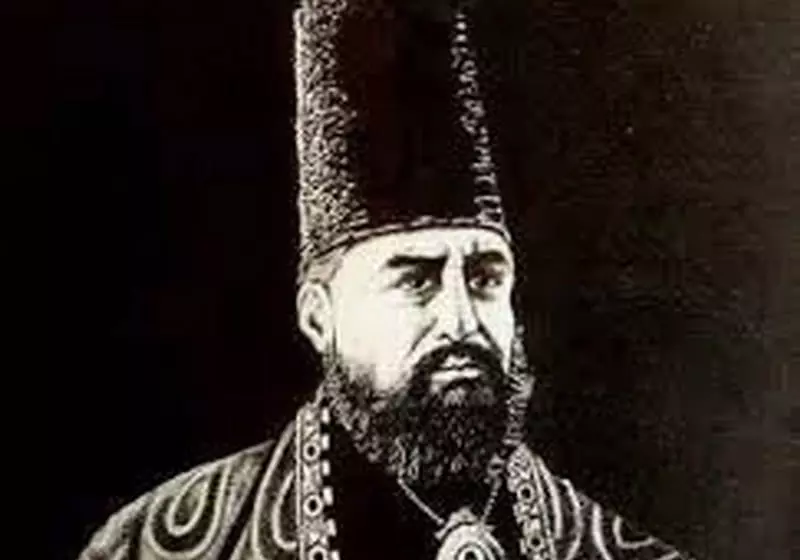
With the establishment of Dar al-Fonun, Iranian students were no longer forced to complete their primary education abroad and could continue their education to the secondary level in Iran before going abroad for higher education. Therefore, at this time, a group of 42 graduates of the first Dar al-Fonun course were sent to France in 1237 SH (1858), but from then on until 1290 SH (1911), this process was stopped, and only those who had the financial means could send their children abroad.
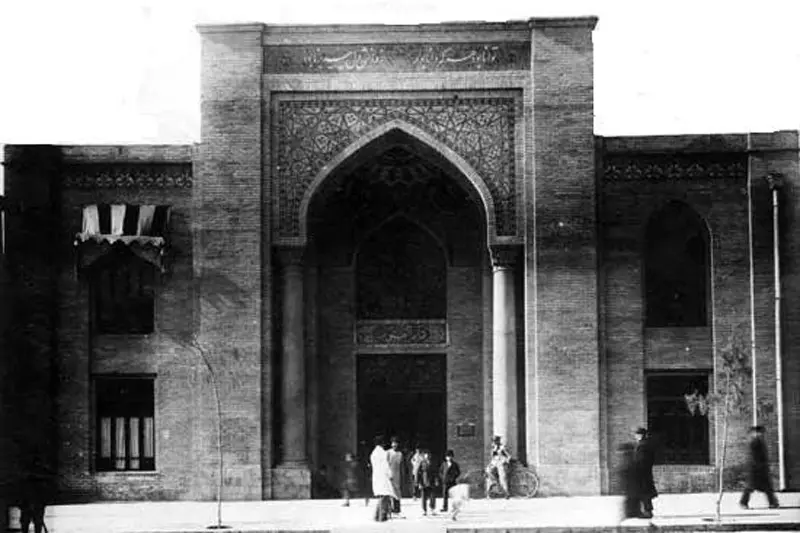
The dispatch of students continued to a limited extent during the Qajar era (1789-1925) until, after the end of the Qajar rule and in June 1307 SH (1928), with the approval of the Law on Sending Students Abroad by the Majlis (Parliament) and with the approval of Reza Shah, the dispatch was pursued more seriously.
After the passage of this law, the first group of students, consisting of 110 people, were sent abroad to study at government expense. Of these, more than 100 went to France and the rest to Germany.
Among the most important students sent abroad during this period were:
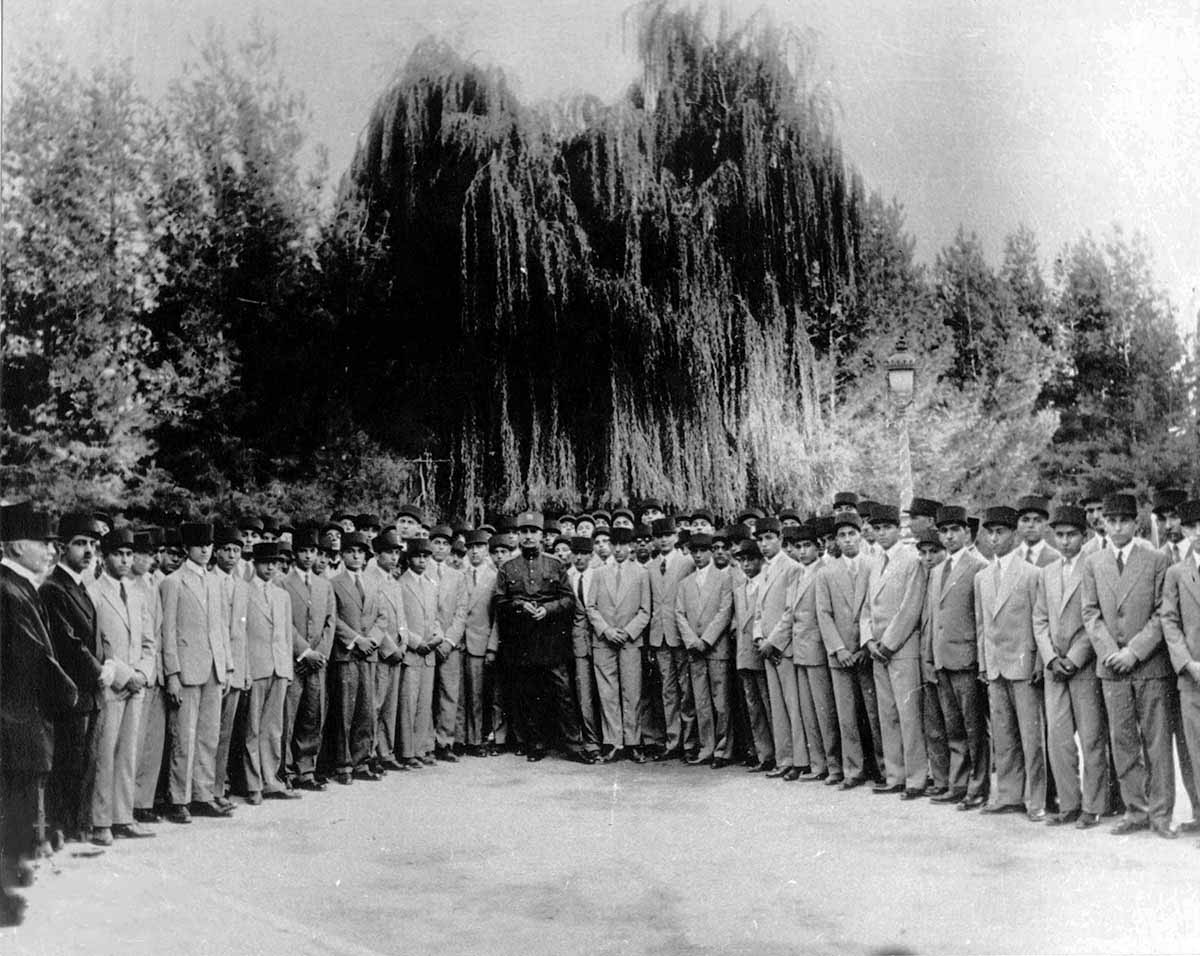
- Mehdi Bazargan
- Ali Shayegan
- Mehdi Azar
- Karim Sanjabi
- Abdollah Riazi
- Lotfollah Suratgar
- Gholamali Faryavar


